Design, Held to a Quiet Order
Not made to stand out, but to settle in—bringing calm, structure, and trust to outdoor spaces over time.

Trust follows structure—not features
Not everything matters at once. What comes first defines what lasts.

It Stays Quiet in Your Space
Protection should never compete with what you’ve already made beautiful.
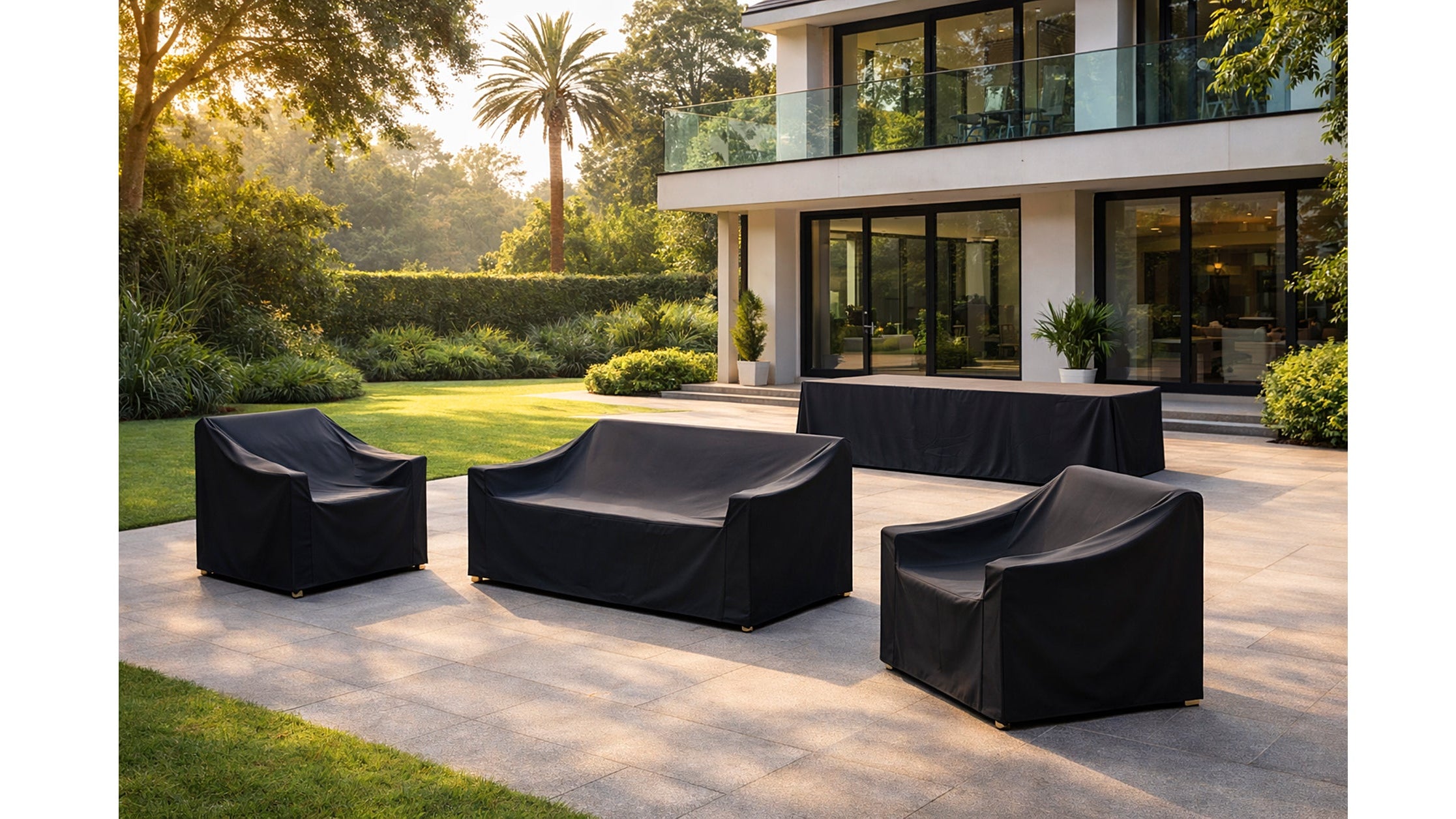
It Extends Across Your Space.
Not a single cover, but a system that brings everything into quiet order.
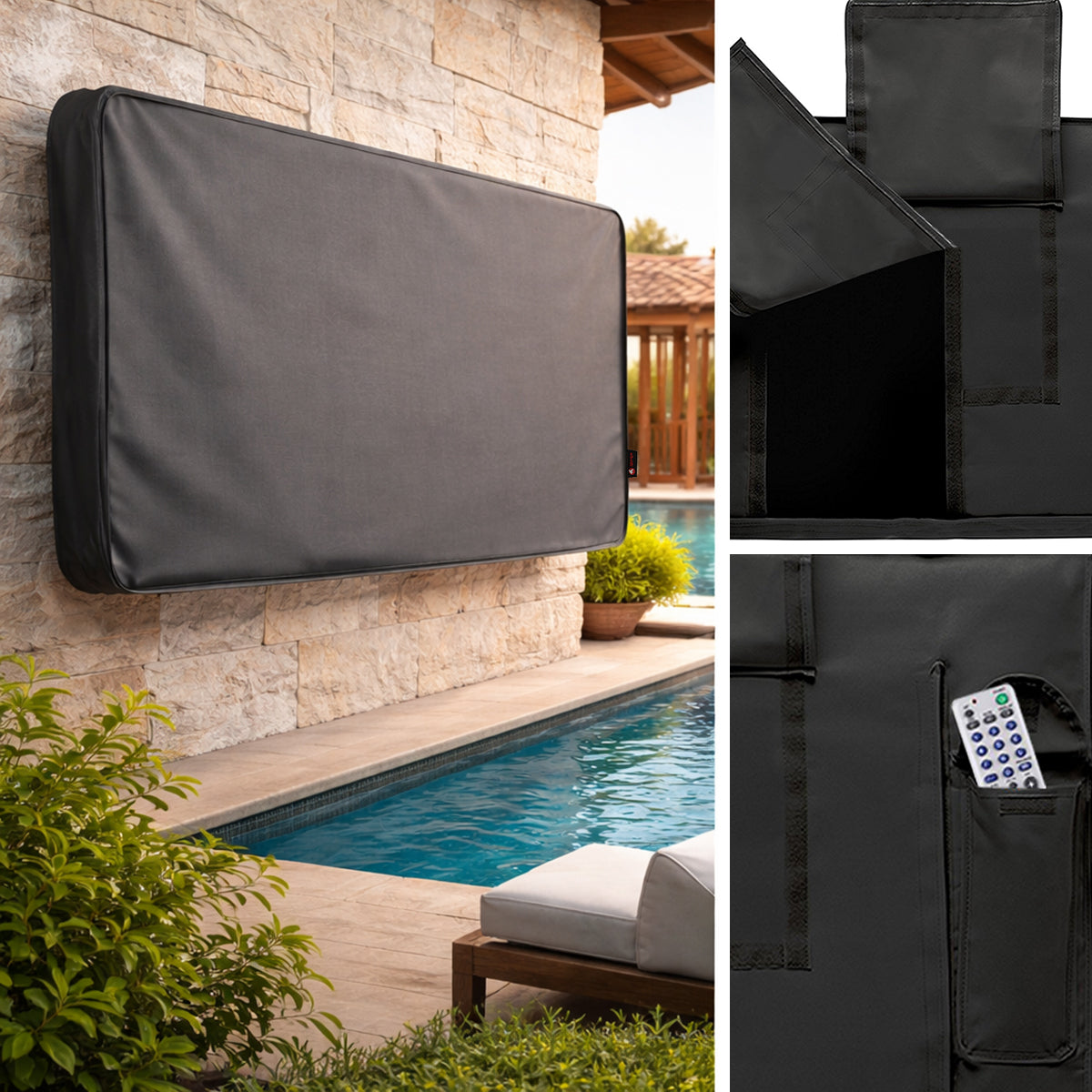
Shop the look
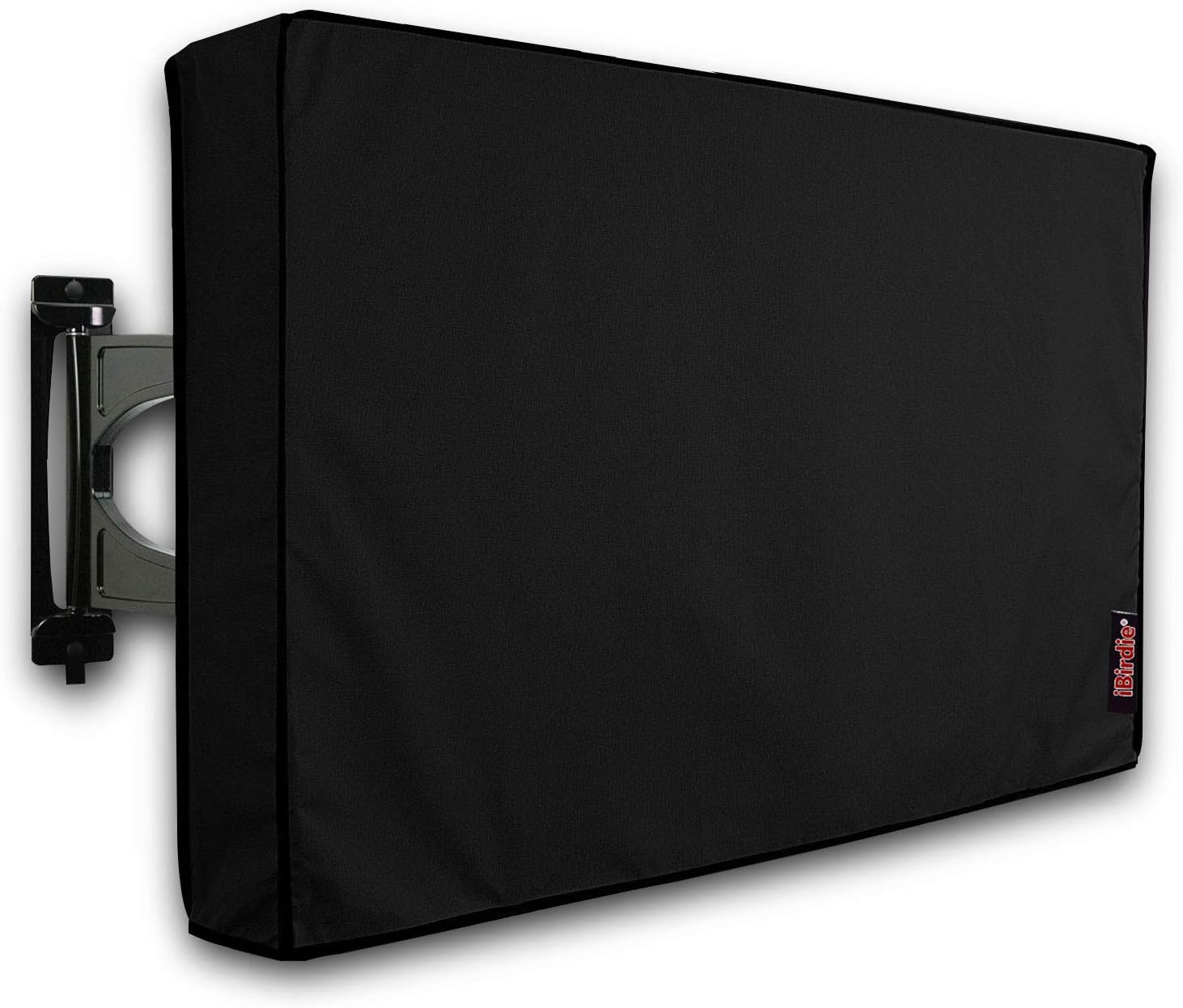
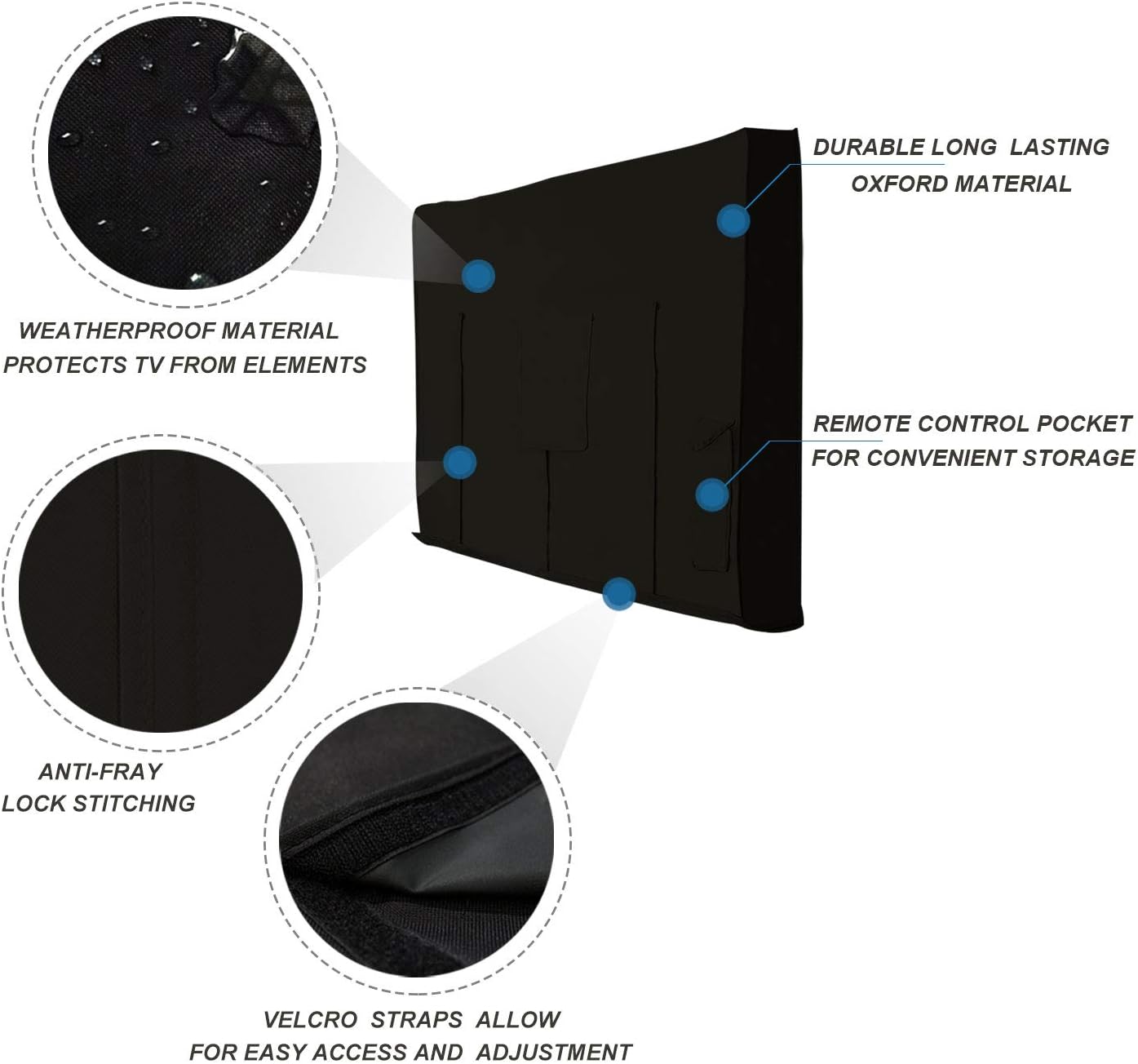
iBirdie Outdoor TV Cover
促销价格$24.99 起
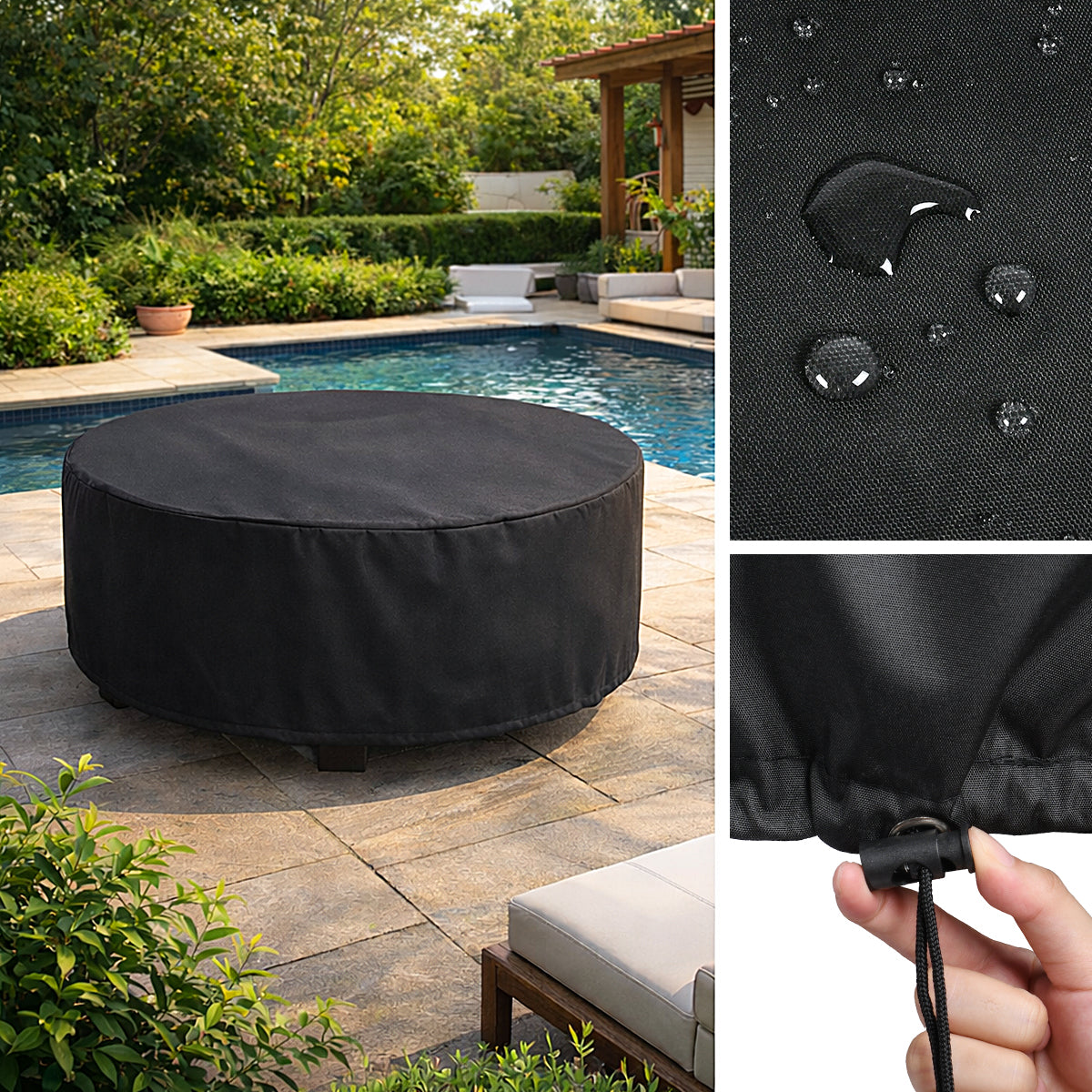
Shop the look
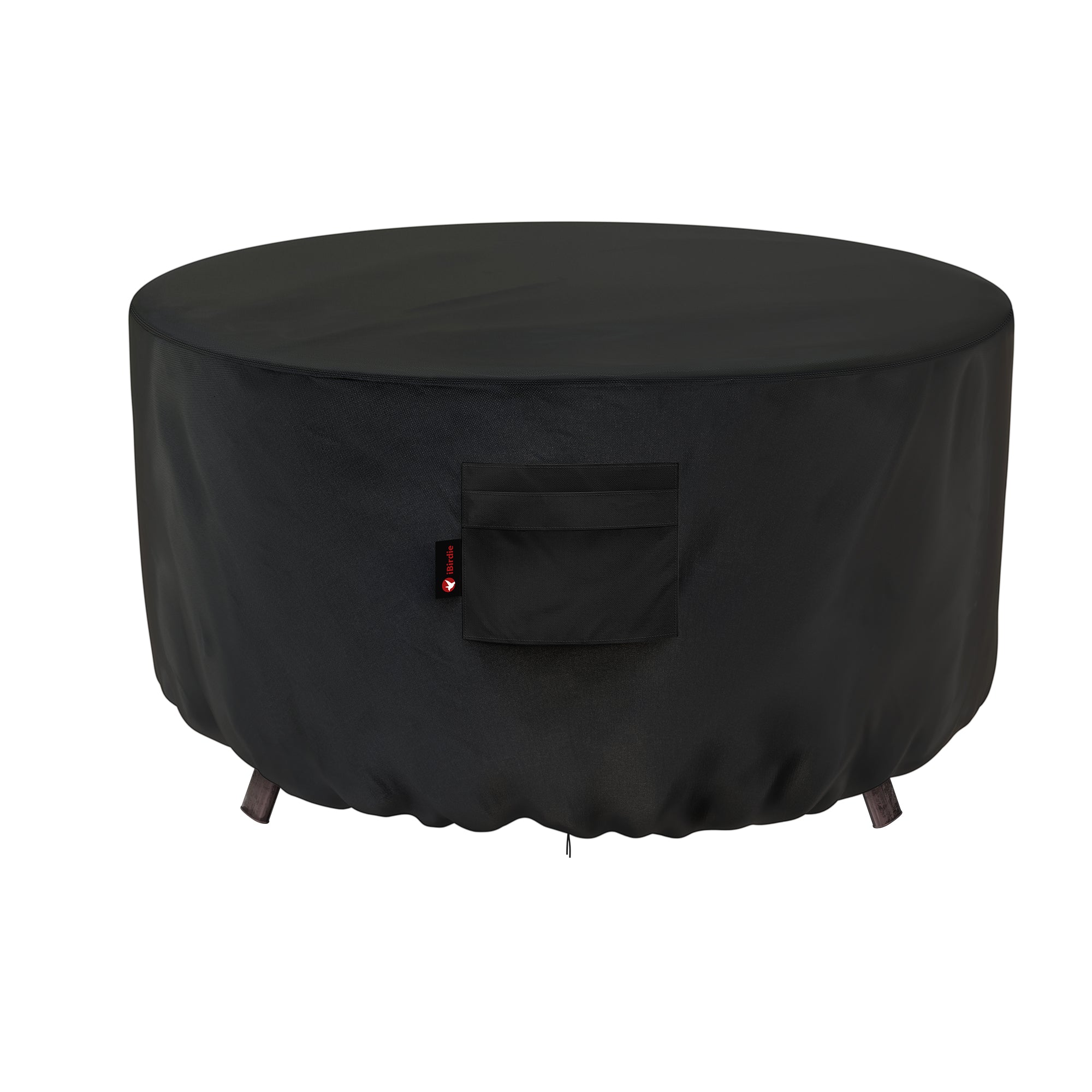
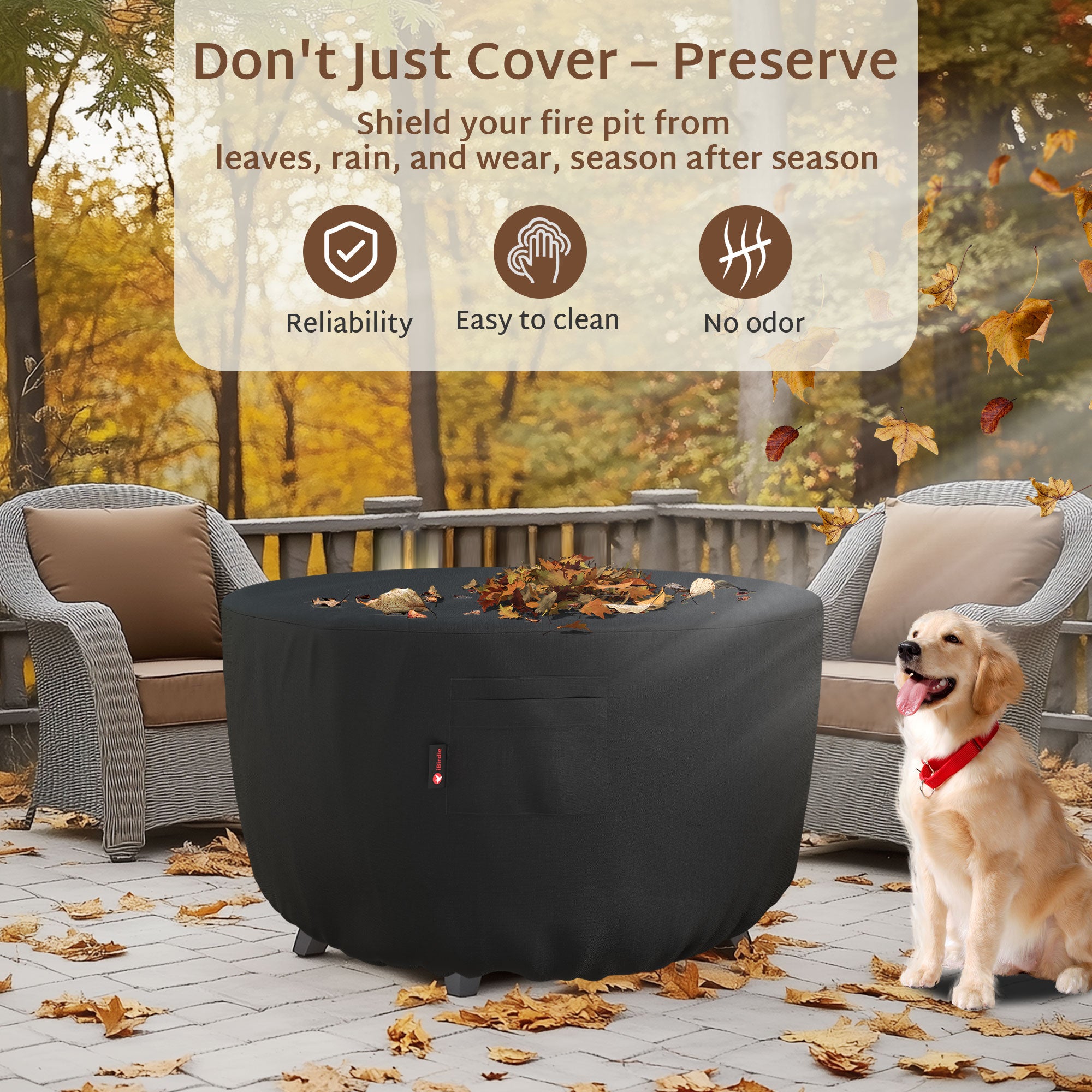
iBirdie Round Patio Furniture Cover
促销价格$28.99 起
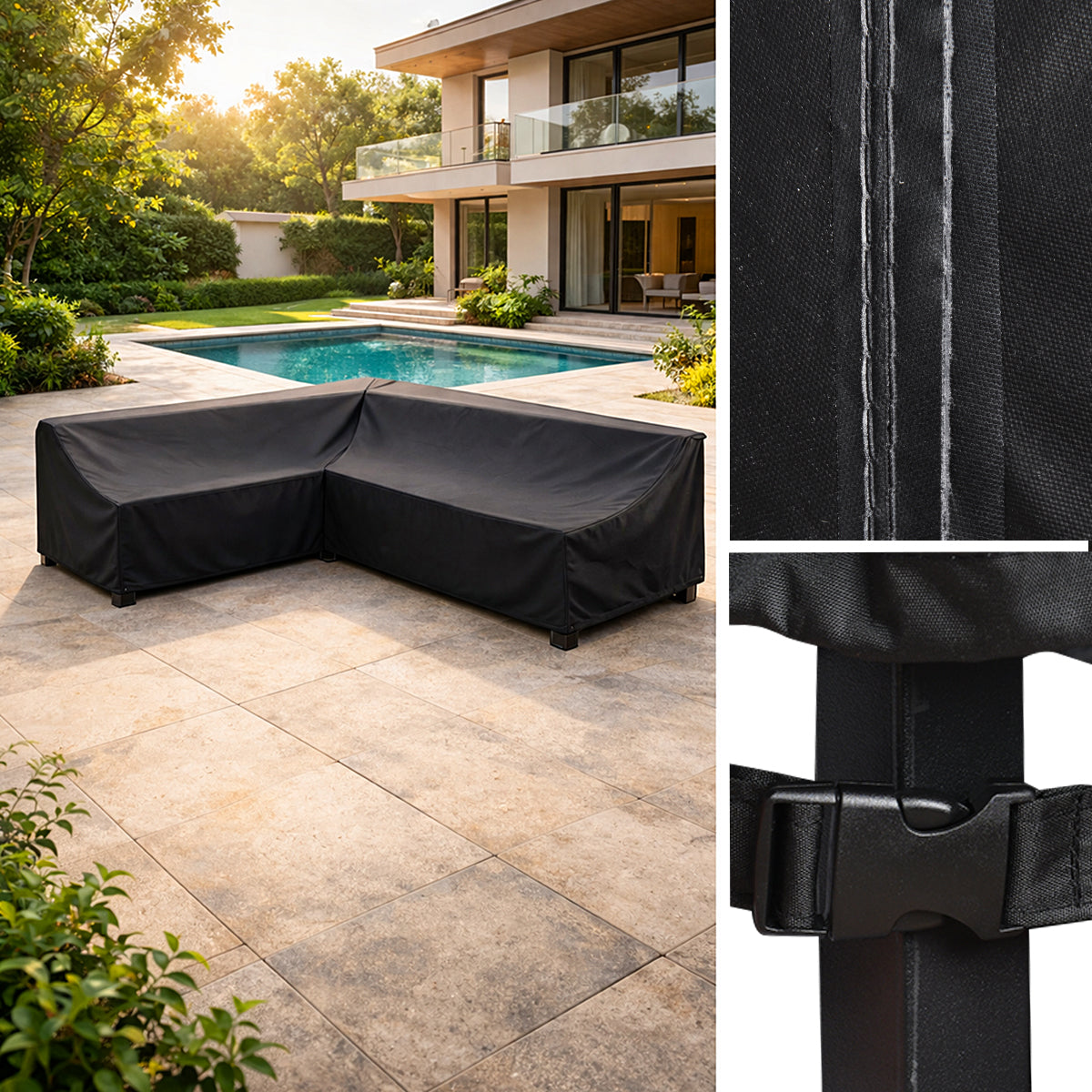
Shop the look
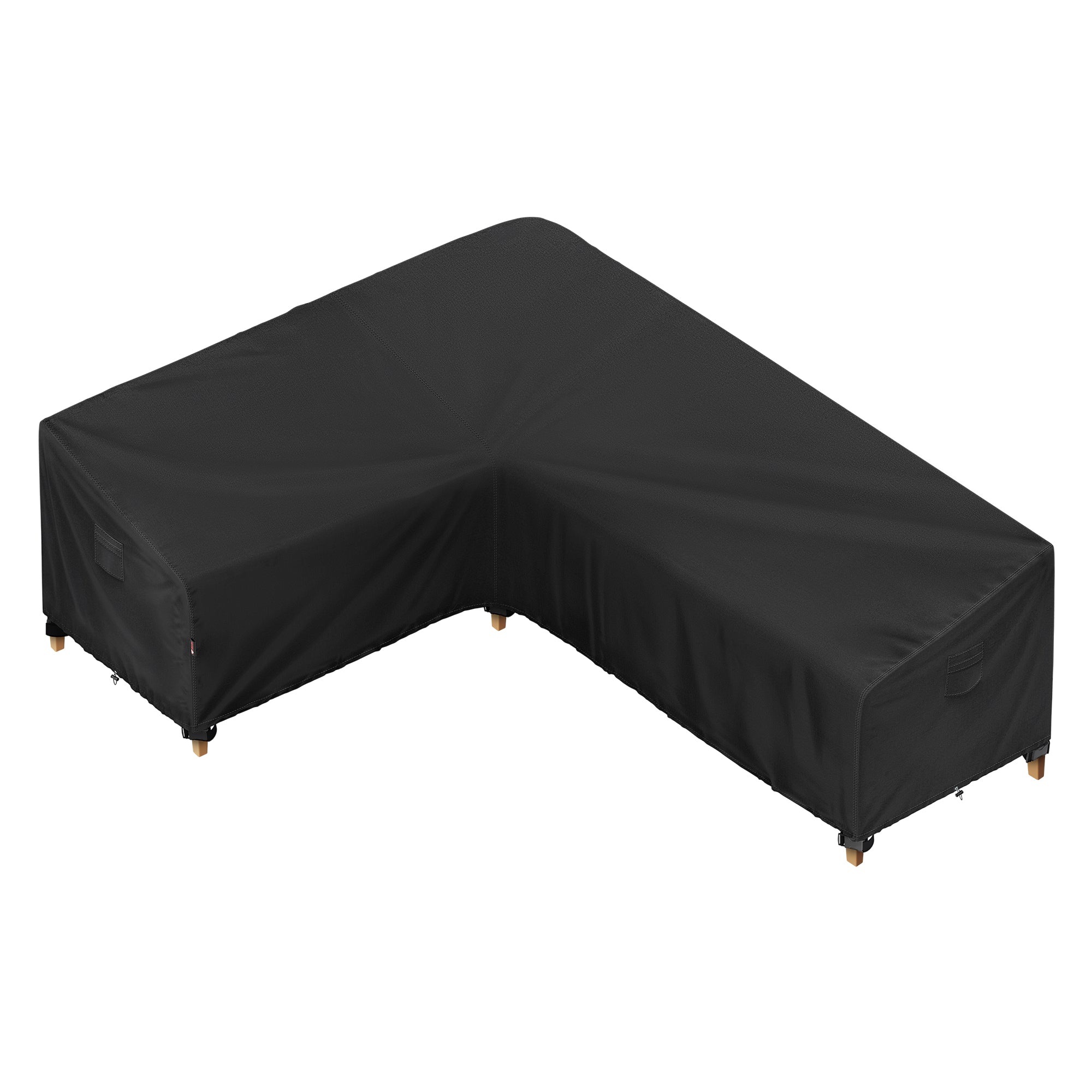
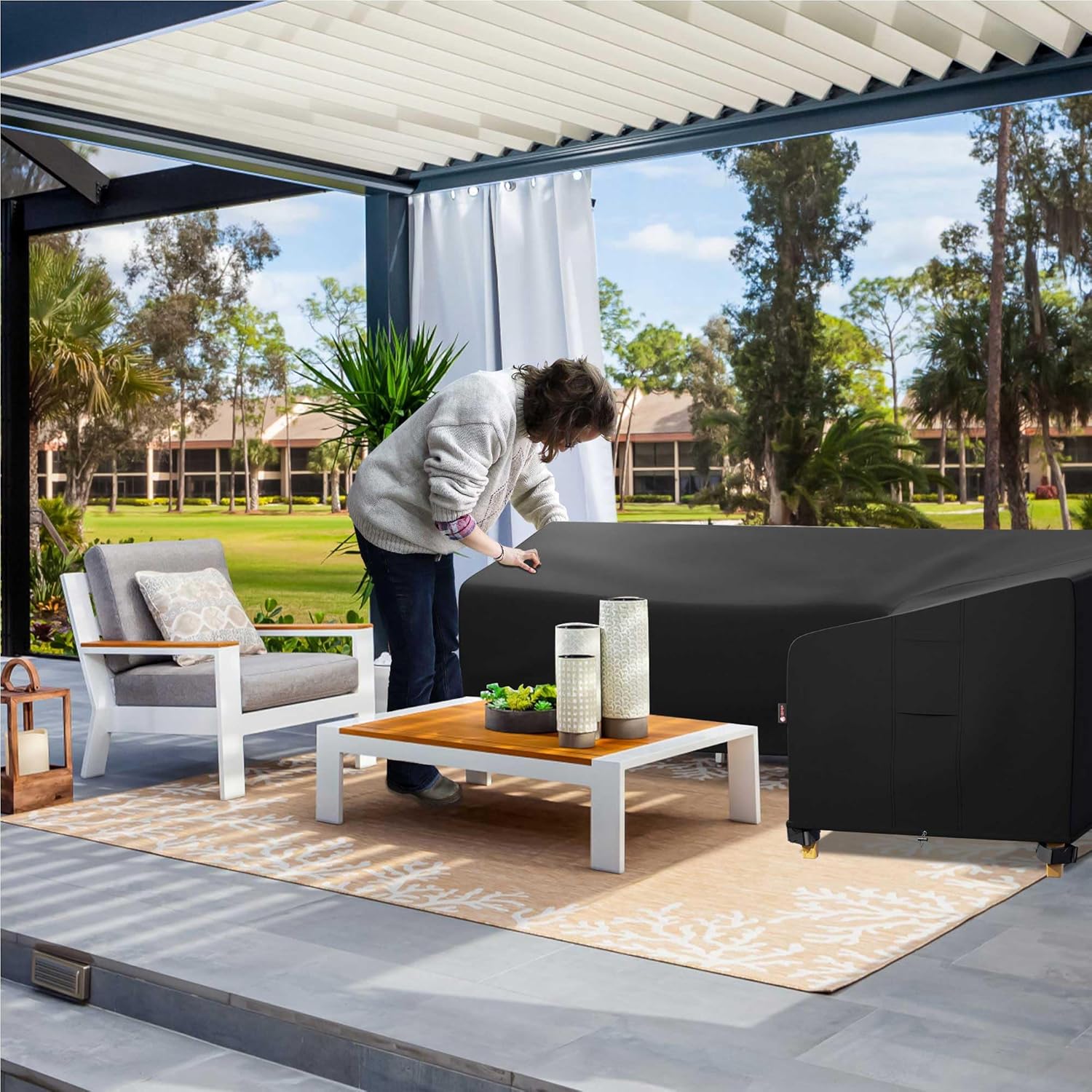
iBirdie Outdoor Sectional Sofa Cover
促销价格$59.99 起
Shop the look
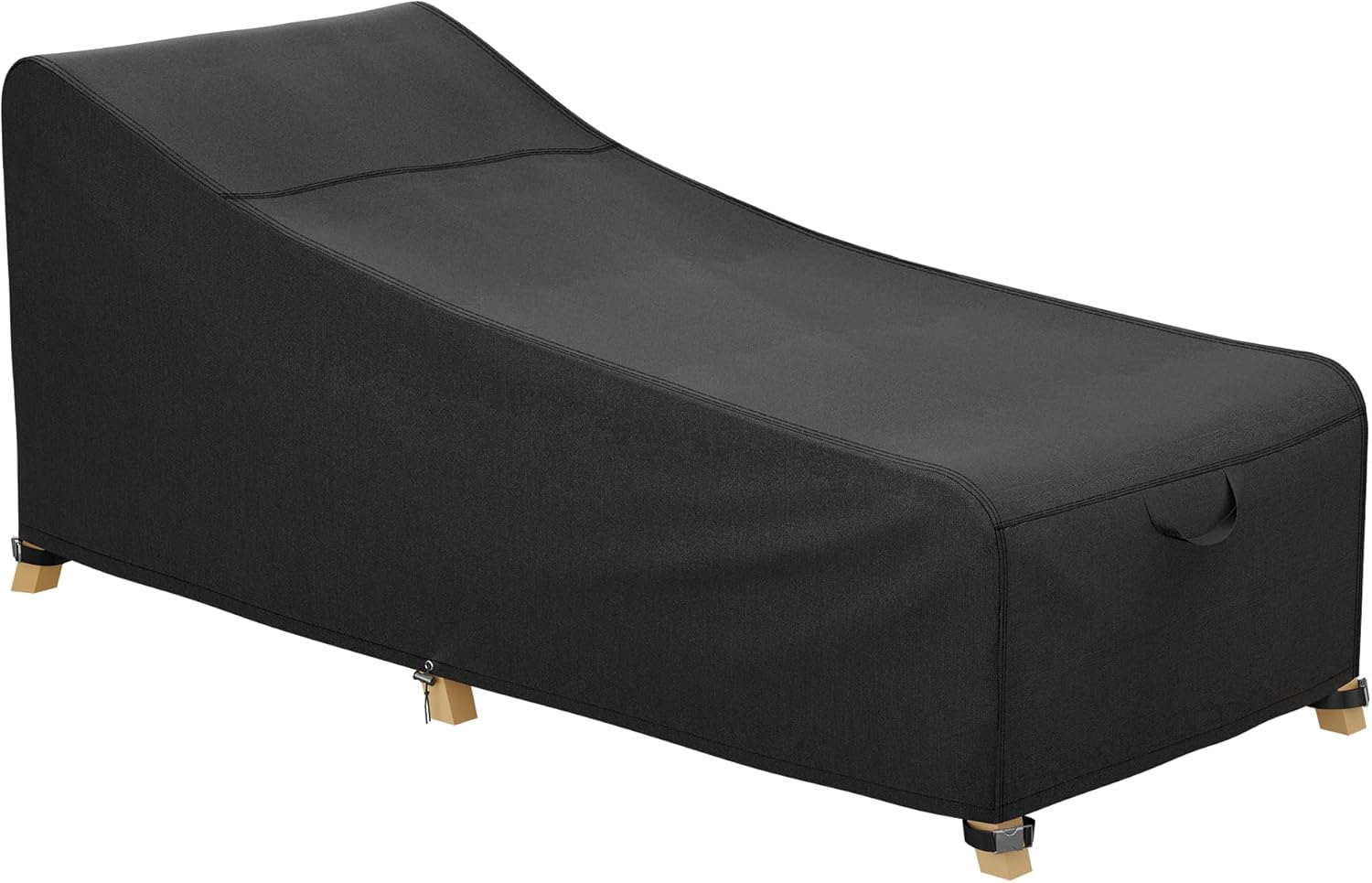
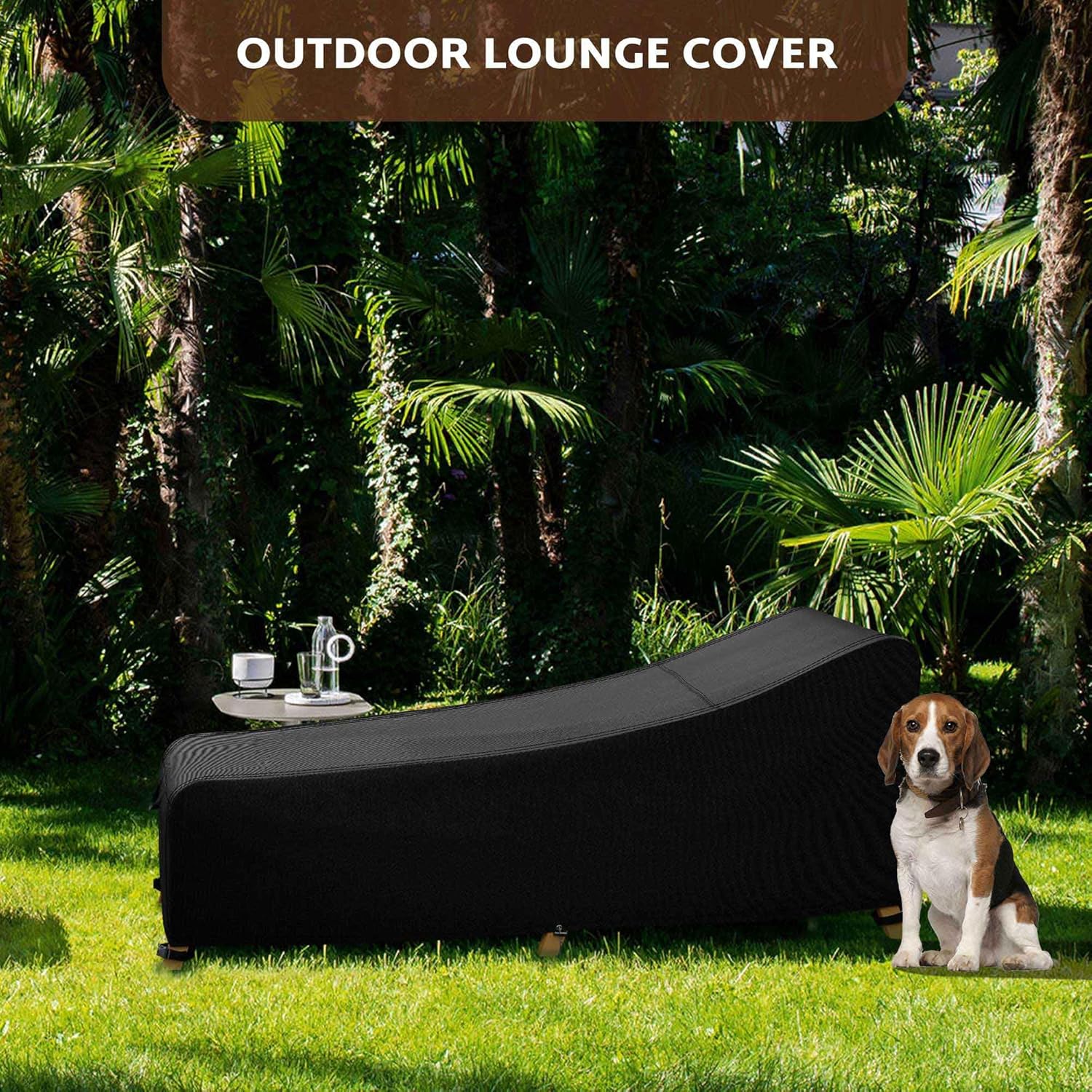
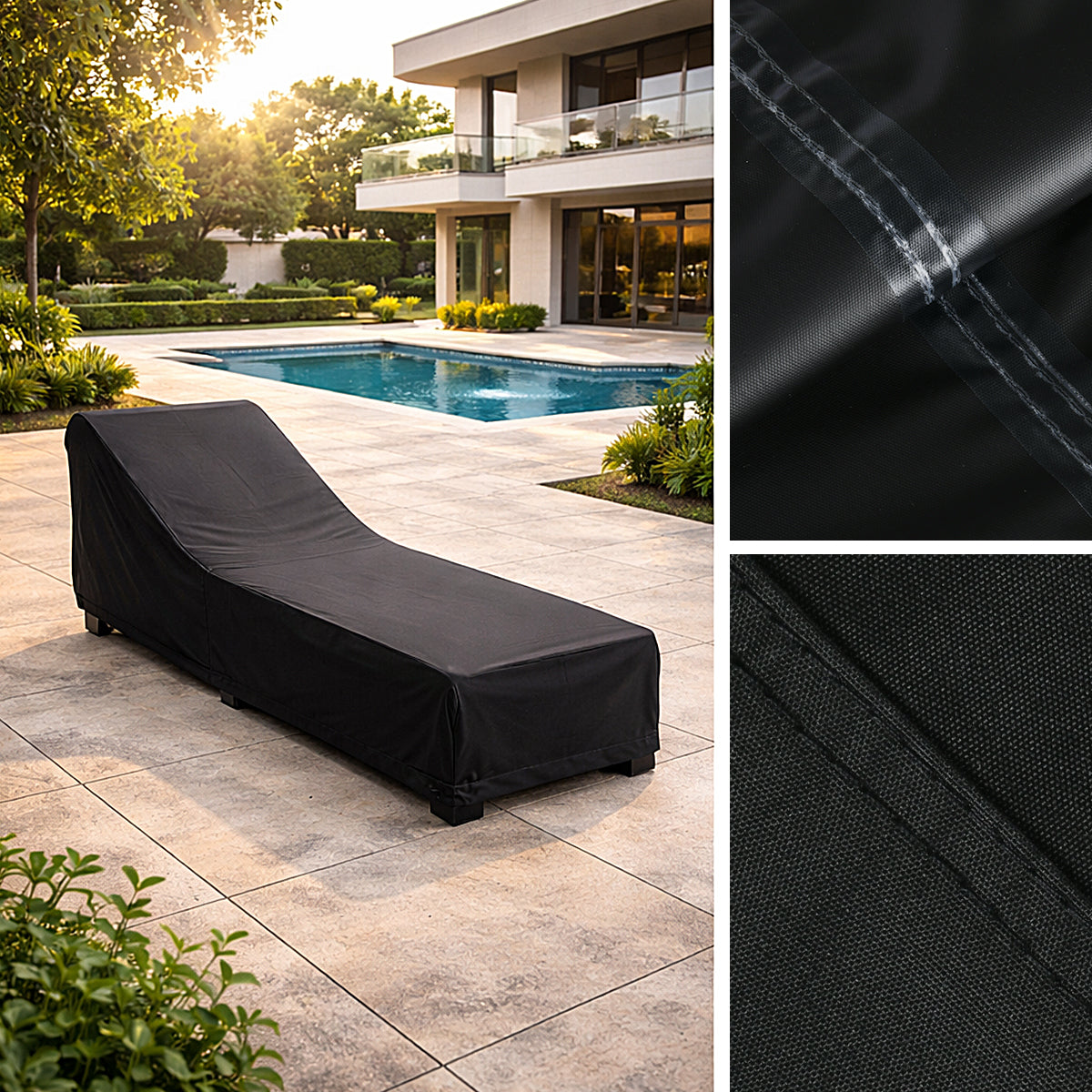
iBirdie Outdoor Lounge Chaise Chair Cover
促销价格$44.99 起
iBirdie Outdoor TV Cover
促销价格$24.99 起
iBirdie Round Patio Furniture Cover
促销价格$28.99 起
iBirdie Outdoor Sectional Sofa Cover
促销价格$59.99 起
iBirdie Outdoor Lounge Chaise Chair Cover
促销价格$44.99 起
It Stays With You Over Time
Room to adjust, and support that doesn’t step away—so the choice feels steady.

